Explore the Heart of Resistance: Discovering the Warsaw Uprising Museum
The Warsaw Uprising Museum stands as a tribute to human resilience against tyranny. It provides a remarkable look at the sacrifices endured during a critical chapter in history. Guests are invited to explore immersive exhibits that highlight firsthand narratives and communal recollections. This exploration of the past raises important questions about freedom and the ongoing struggle for democratic values. What insights can we gather from these accounts, and how do they connect to our modern world?
Why The Warsaw Uprising Is Still Relevant Today
The significance of the historic Warsaw Uprising echoes profoundly throughout modern society, embodying perseverance amid oppression. This historical event, which transpired in the course of the Second World War, underscores the valor of the people who fought against oppression, establishing it as a powerful reference point for current struggles against oppressive regimes. The insurrection stands as a testament to the sacrifices made for freedom, cultivating a feeling of responsibility to copyright democratic values today.
During a period characterized by rising nationalism and populism, the teachings of the Warsaw Uprising inspire vigilance against the erosion of civil liberties. It also fosters a mutual recognition of the value of unified efforts in championing human rights. Furthermore, the uprising bridges generations, joining the stories of historical heroes with modern justice movements. As a result, its legacy persists in inspiring individuals and communities worldwide, emphasizing the enduring fight for freedom and equality.
Browse Key Exhibits and Personal Stories
Upon exploring the Warsaw Uprising Museum, one can discover significant showcases that bring the harrowing experiences of those involved to life. Among the museum's holdings are personal artifacts, photographs, and documents that highlight the constant challenges experienced by both resistance members and ordinary citizens. One poignant exhibit features an assembly of handwritten letters from insurgents, exposing their innermost hopes and anxieties throughout the conflict. A further exhibit illuminates the accounts of families forced from their homes, showcasing the human toll of conflict.
Moreover, the museum showcases uniforms and weaponry used during the revolt, shedding light on the challenging circumstances. The narrative is enriched by audio recordings of survivors describing their encounters, bringing a heartfelt perspective to the historical events. These exhibits not only teach audiences about the rebellion but also recognize the resilience and bravery of those who stood up for their community, making the past resonate with contemporary audiences.
Must-See Interactive Exhibits at The Museum
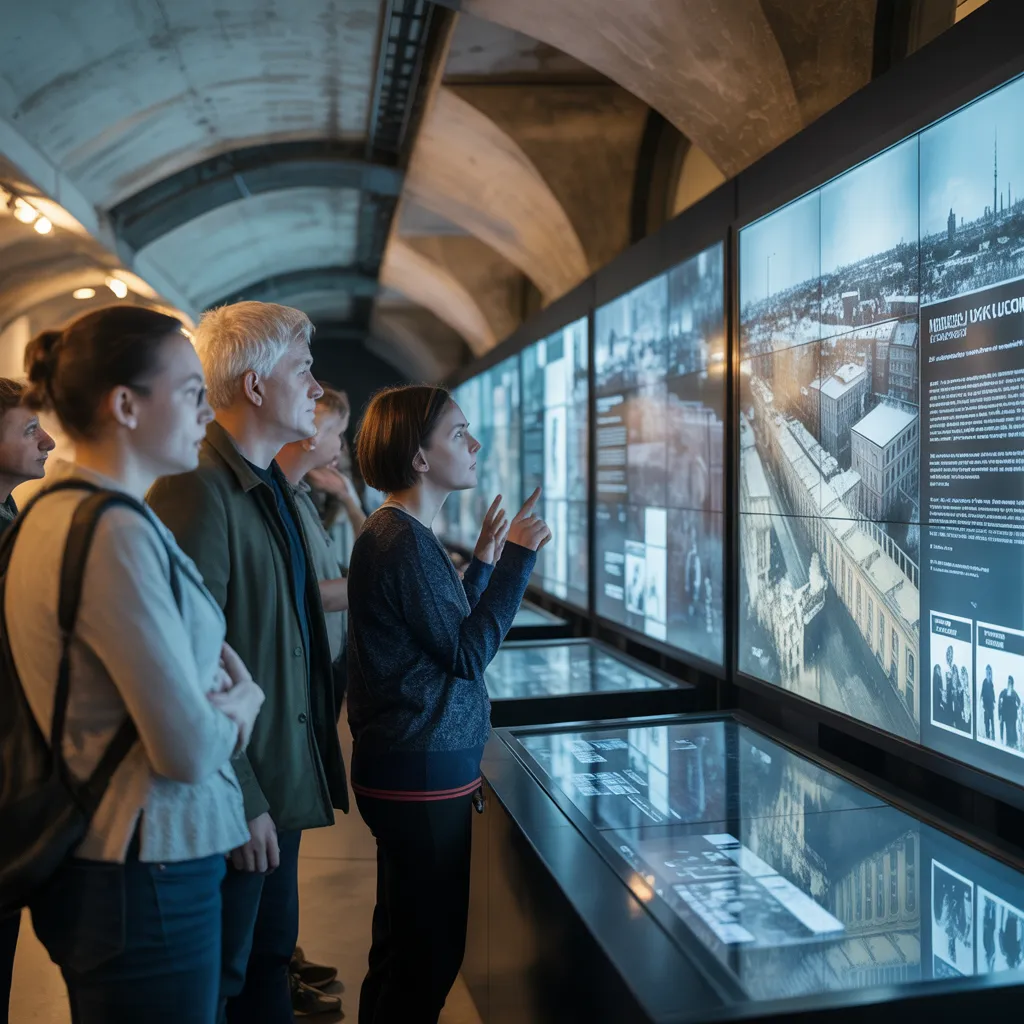
How can interactive exhibits enhance the understanding of the Warsaw Uprising? The Warsaw Uprising Museum features these exhibits as a powerful means of connecting with history. One standout exhibit allows visitors get details to navigate a virtual map of the city as it existed during the uprising, providing context to the geographical challenges faced by insurgents. Yet another captivating experience reproduces the sounds of battle, immersing guests in the intense atmosphere of the resistance movement.
Furthermore, the museum offers a compelling interactive display where visitors can leave messages or reflections, fostering a personal relationship to the historical story. Electronic displays highlight eyewitness stories from eyewitnesses, connecting the divide between past and present. Such interactive features not only inform but also evoke empathy, presenting the nuances of the Warsaw Uprising clearer and more meaningful. Via these creative exhibits, the exhibit turns historical education into an engaging journey that leaves a lasting impression with all who attend.
Useful Advice For Visiting The Museum
What important tips can help maximize a visit to the Warsaw Uprising Museum? To begin with, it is recommended to set aside at least two to three hours for a comprehensive exploration of the exhibits. It is suggested that visitors reserve tickets online beforehand to prevent long waits, especially during high tourist seasons. Audio guides can be obtained and are highly suggested, as they offer important background information and greater understanding of the exhibits.
Getting there early in the day can further enrich the visit, creating a more peaceful environment. Appropriate footwear is necessary, as the venue involves significant amounts of walking and standing. Furthermore, visitors may want to check the museum's schedule for organized events, hands-on workshops, or curated tours that may deepen their knowledge. Finally, engaging with the museum staff for recommendations can lead to discovering lesser-known artifacts and stories that highlight the resilience of Warsaw's citizens during the uprising.
How The Uprising Shapes Modern Polish Identity
The Warsaw Uprising stands as a defining moment in Poland's rich history, significantly impacting the national identity of the Polish people. This courageous 1944 stand against Nazi occupation represents bravery, determination, and the pursuit of liberty. The Uprising has emerged as a central reference point in modern Polish nationalism, nurturing a spirit of unity among people who regard it as an homage to their common heritage and principles.
In modern-day Poland, the Uprising is honored in a variety of ways, from public ceremonies to cultural expressions, reinforcing a collective memory that shapes national consciousness. The heroism exhibited during the Uprising is celebrated in literature, film, and art, functioning as an enduring symbol of national pride.
In addition, the Uprising's profound influence inspires ongoing discussions about historical memory, sacrifice, and democracy, impacting political discourse and civic engagement. Thus, the Warsaw Uprising continues to be a fundamental element of Polish identity, reflecting the lasting spirit of resistance and the quest for sovereignty.
Motivating Future Generations Through The Museum
The Museum of the Warsaw Uprising holds a significant position in educating young visitors through its interactive exhibits, which engage them with the key moments of the insurrection. Through safeguarding these stories, the memorial not only pays tribute to history but also cultivates a feeling of duty in the next generation. This approach cultivates a deeper understanding of history and its ongoing impact on the Polish national character.
Learning Through Interactive Exhibits
Whereas most museums strive to protect history, the Warsaw Uprising Museum employs a remarkable strategy by immersing visitors in interactive displays. These meticulously planned displays encourage visitors to deeply explore the stories of those who endured the uprising. By incorporating multimedia showcases, virtual reality simulations, and engaging activities, the museum cultivates a profound appreciation of the historical significance and emotional impact of the events. Guests can examine genuine artifacts and participate in narratives that makes history vivid and tangible, ensuring it resonates with future generations. This engaging framework not only educates but also inspires empathy and critical thinking, making certain that the teachings of the uprising reach well past the museum's boundaries, shaping the perspectives of future leaders.
Sustaining the Influence of Historical Narratives
Through its engaging displays, the Warsaw Uprising Museum not only educates attendees but also serves a vital function in safeguarding historical stories that resonate with future generations. By highlighting personal stories, relics, and digital displays, the museum encourages a more profound awareness of the importance of the Uprising. This involvement helps to ensure that the sacrifices made during this defining chapter in history are not overlooked. The museum emphasizes the importance of collective memory, resilience, and bravery, inspiring young people to consider their own values and responsibilities. As visitors engage personally with the past, they are inspired to become active participants in creating a more equitable future. As a result, the museum serves as a crucial conduit for passing on these important stories through generations.
Personal Accounts That Bring History to Life
Among the artifacts and displays of the Warsaw Uprising Museum, personal narratives emerge as striking expressions of strength and bravery. Each story, regardless of whether it comes from a fighter or a resident, offers a deeply moving window into the human experience during one of history's most harrowing periods. The museum showcases written correspondence, journals, and spoken accounts that convey the feelings of grief, perseverance, and resistance, enabling guests to forge a profound connection with history.
These narratives highlight the intricacies of survival, demonstrating how everyday people transformed into exceptional heroes. They reveal the profound moral conflicts encountered throughout the uprising and the connections formed through hardship. By showcasing these deeply personal stories, the museum not only preserves history but also underscores the value of distinct voices in molding collective remembrance. At their core, these personal stories transform the understanding of the uprising, permitting it to echo in modern conversations surrounding resistance and identity.
Common Questions and Answers
What Are the Museum's Hours of Operation and Entry Fees?
The museum is open daily between 10 AM and 6 PM, with extended hours on Thursdays until 8 PM. Ticket prices are 25 PLN for adult visitors, while students and seniors enjoy reduced rates at 15 PLN.
Does the Warsaw Uprising Museum Offer Guided Tours?
Yes, guided tours are offered at the museum. Such tours offer in-depth insights into the exhibits and historical context, enhancing visitors' understanding of the historical events and importance of the historical uprising. Advance reservations are strongly advised.
Is Taking Photos Permitted Inside the Museum?
The use of cameras is generally prohibited inside the museum to preserve the exhibits and respect the solemnity of the space. Guests are invited to embrace the visit without taking photos, directing their attention toward the historical importance of the artifacts.
Can I Find a Gift Shop or Café On-Site?
The museum includes both a retail shop and a cafeteria on-site. Patrons have the opportunity to shop for keepsakes and indulge in light refreshments, making their experience more enriching while discovering the historical importance of the museum's displays.
Do You Have Any Special Events or Exhibitions Planned?
The museum frequently organizes unique events and exhibits. Future programs offer lectures, film screenings, and interactive displays, providing visitors with deeper insights into the Warsaw Uprising's historical importance and lasting impact.